Upgrade your sake game now with these premium pours from cult breweries
Dassai is arguably the nearly famous sake brand outside of Nihon, having made early on forays into overseas markets, a strategy that has helped its brewer Asahi Shuzo rely less on declining domestic sales and ride on the increasing popularity of sake around the world.
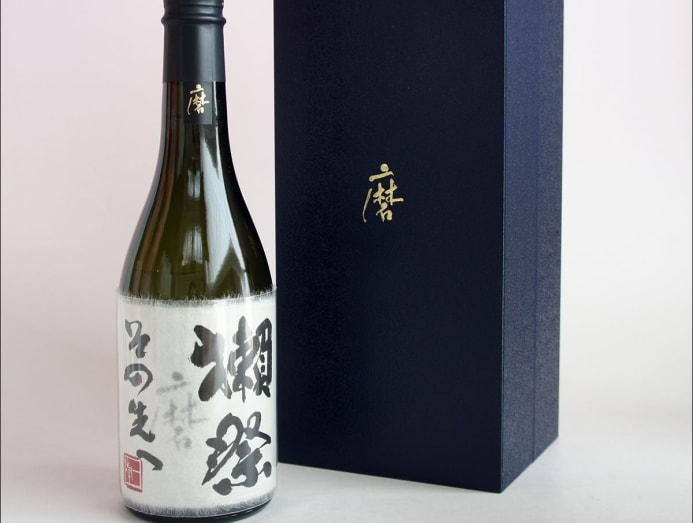
Astute marketing aside, the brand offers dandy sips. The main line-upwardly is a quartet of top sakes of different grades: Dassai 45, Dassai 39, Dassai 23, and Dassai Beyond. The numbers, which take go an intrinsic part of Dassai's brand identity, represent the rice-polishing ratio or seimaibuai.
READ> Sip your grains: An elegant Japanese vodka made from rice
Seimaibuai is what determines a sake's grade. During sake product, earlier the rice is steamed and sprinkled with koji (mould spores) to prepare information technology for fermentation, the rice has to be milled or polished to betrayal the grain's starchy cadre, where the best flavours are found. The seimaibuai is the percentage of the grain that remains after polishing.
For example, the lower grade Honjozo has a seimaibuai of at least 70 per cent (thirty per cent of the grain polished away), while the higher-grade sakes of (Junmai) Ginjo and (Junmai) Daiginjo have seimaibuai figures of 60 per cent and l per cent respectively.
"It is not a question of opulence but purity."
The Dassai 45, Dassai'south almost affordable sake, sits in Junmai Daiginjo category. And and so in that location is Dassai Beyond, the most premium offering; the one coveted by sake fans. It doesn't come up with a seimaibuai figure. Information technology is anyone'due south approximate what the number is, although one can accept a hint from the Dassai 23, the next sake beneath the Dassai Beyond.
"We didn't mention the [seimaibuai] considering it isn't the same with every production of Dassai Beyond," said Kazuhiro Sakurai, president of Asahi Shuzo. "The concluding rice polishing ratio depends on factors like the quality of the rice harvest, the temperature in the brewery, and the tasting panel's final decision." Dassai's sakes are made from the prized Yamadanishiki rice.
READ> Kanpai! A await at Singapore's growing appetite for sake
The Dassai Beyond is one of the smoothest sakes nosotros have tasted. It offers a floral fragrance and gentle notes of pear and citrus, which are wrapped up in silky, elegant layers. Its pleasant acidity ways information technology would pair well with fresh bites like oysters, crab salad, and sashimi.
JUNMAI DAIGINJO MEETS BURGUNDY
Over in Nagoya, Kuheiji is a sake producer that has been making a name for itself in the last decade, thank you to the efforts of Kuheiji Kuno, the brewery's 15th generation owner, who decided to shift the visitor'southward focus of making mass-produced sakes to premium sakes, specifically of Junmai Daiginjo grade.
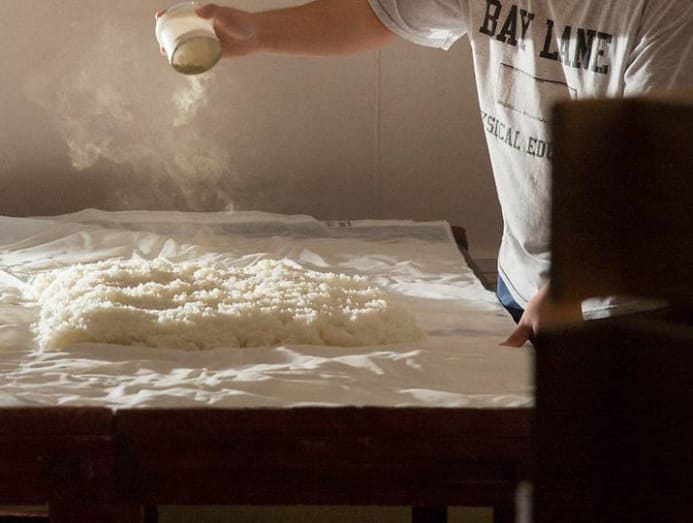
Kuno is also a fan of Burgundy, so he strives to create sakes with the same kind of finesse plant in the French wines. (He also makes wines from an estate in Burgundy'due south Morey-Saint Denis, under the label of Domaine Kuheiji.)
The brewery's top tipple is the Yamadanishiki 30 Hinokishi, which has a seimaibuai of 30 per cent. Only three,000 bottles are produced annually for this very elegant sake that balances a delicate texture with nuanced minerally notes.
READ> How y'all should – and could – drink cognac, according to someone who knows
"Only Yamadanishiki can be used for high polishing ratios of less than l per cent," said Mehdi Medhaffar, Kuheiji's French brewer. "It breaks less during polishing. The rice offers a dense texture [gustatory modality-wise], which lets u.s.a. push button the polishing without running the risk of bad flavours."
"The Hinokishi is the upshot of our know-how. Information technology lets you lot experience Yamadanishiki in its almost raw country. Here, it is non a question of opulence but purity."
IT'S ALL IN THE WATER
Established in 1887, Mikunihare in Toyama Prefecture holds the honour of being the only brewery with a pure spring water source located within the brewery grounds, an advantage that has allowed it to make some of the best sakes from this beautiful corner of Japan.
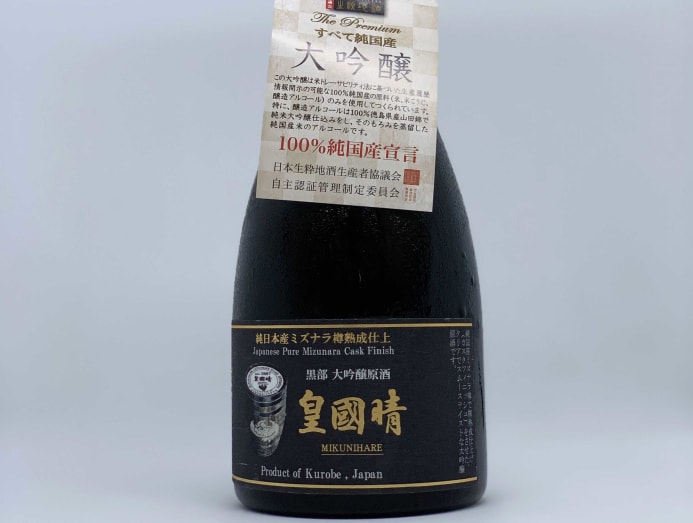
The brewery isn't agape of a lilliputian experimentation, too. The Mikunihare Japanese Pure Mizunara Cask Finish is a express release of a Daiginjo sake aged for six to seven months in Mizunara wood, a Japanese oak ameliorate known for its employ in Japanese whisky production than sake-making. The wood lends some subtle notes of vanilla and incense to this velvety, slightly fruity sake.
Serve this delicious charmer bullheaded at your next political party.
Dassai Beyond, Southward$650 (retail), from Orihara Shoten, 11 Unity Street #01-02, Robertson Walk. Tel: 6836 5710. Kuheiji Yamadanishiki 30 Hinokishi, S$205, from https://store.demajesticvines.com. Mikunihare Japanese Pure Mizunara Cask Finish, S$125 (retail), from Orihara Shoten, 11 Unity Street #01-02, Robertson Walk. Tel: 6836 5710.
READ> Recall drinking rum and coke back in the twenty-four hour period? Rum has a new image now
Source: https://cnalifestyle.channelnewsasia.com/experiences/best-sake-256656
0 Response to "Upgrade your sake game now with these premium pours from cult breweries"
Enregistrer un commentaire